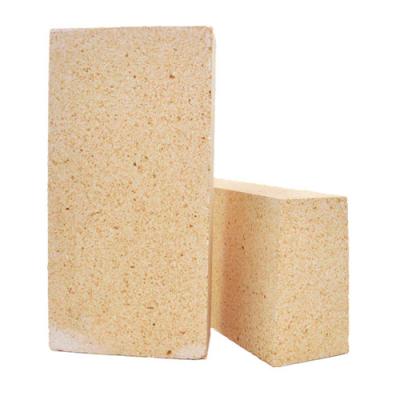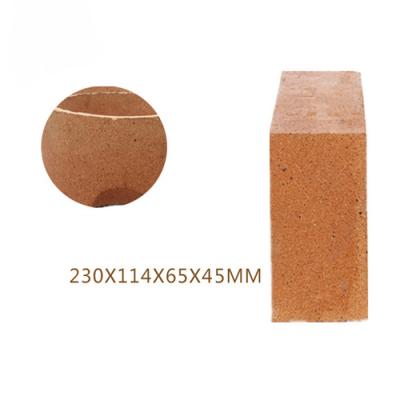
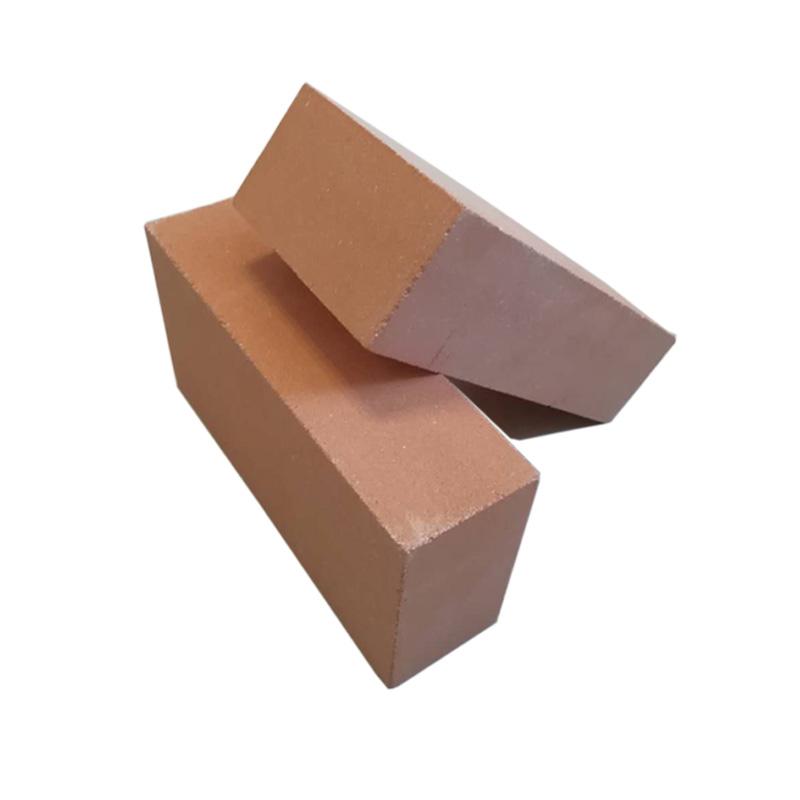
Insulating fire brick is a new type of building material synthesized with polymer materials. The main function is to keep warm, reduce heat loss and improve thermal efficiency.
Payment:
T/TProduct Origin:
CHINAMin order:
2000Insulating fire brick introduction:
Insulating fire brick is a new type of building material synthesized with polymer materials. The main function is to keep warm, reduce heat loss and improve thermal efficiency. It is a scientific and efficient energy-saving technology. The refractory is generally divided into two types, namely unshaped refractories and shaped refractories. Unshaped refractory materials are also called castables. Shaped refractory materials generally refer to refractory bricks. Their shapes have standard rules and can also be temporarily processed when building and cutting as needed. But there are still big differences between refractory bricks and insulation bricks:
Density: As a thermal insulation material, the general density of thermal insulation brick is about 0.8-1.0g/cm3, but the density requirement of refractory brick as a fireproof material will be higher, because the higher the density of refractory brick, the better the density and the stronger the strength. may be high. Most of the refractory bricks have a density of more than 2.0g/cm3.
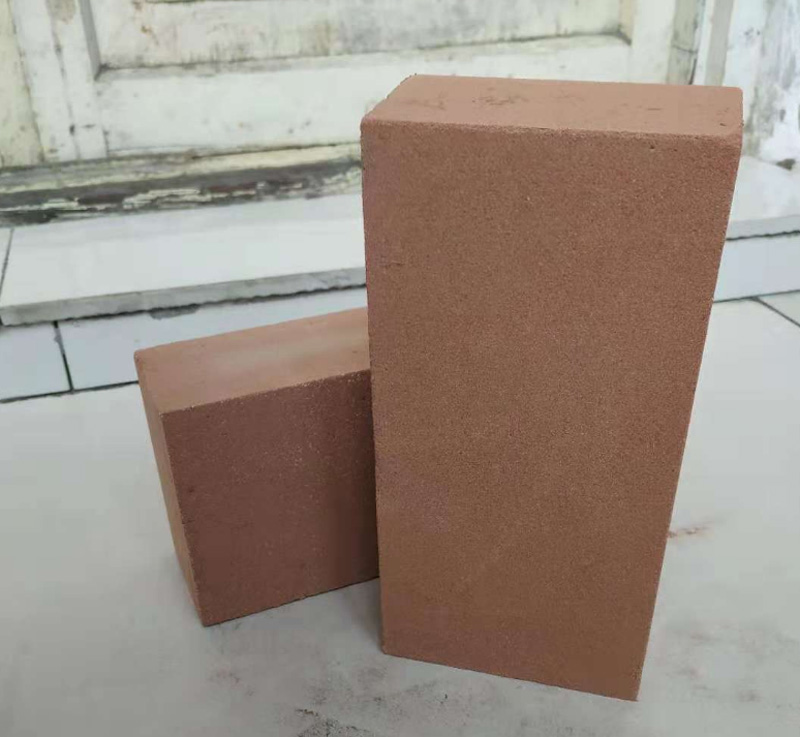
Refractoriness: The performance of thermal insulation bricks is mainly in thermal insulation. Although they have a certain degree of fire resistance, they are not as good as refractory bricks in refractory performance. The fire resistance of thermal insulation bricks is generally below 1400 degrees. However, refractory bricks are different. As refractory materials, refractory bricks have their own refractoriness levels that cannot be compared with thermal insulation bricks.
Insulating fire brick characteristics:
1. Low thermal conductivity, with good thermal insulation effect;
2. Low thermal melting, due to low thermal conductivity, mullite series lightweight thermal insulation bricks accumulate little heat energy, and the energy saving effect is obvious in intermittent operation;
3. Low impurity content has a very low content of oxides such as alkali metals in iron boxes, therefore, high refractoriness; high aluminum content enables it to maintain good performance in a reducing atmosphere;
4. High thermal compressive strength;
5. The appearance size is accurate, the speed of masonry is accelerated, the use of refractory mud is reduced, and the strength and stability of the masonry are ensured, thereby prolonging the life of the lining;
6. Can be processed into special shapes. To reduce the number of bricks and joints.
Insulating fire brick application:
Can be used as hot face refractory lining or backing insulation layer of other refractory materials, used in melting furnaces, firing kilns, flues, refining devices, heating devices, regeneration devices, gas generators and pipes, soaking furnaces, annealing furnaces , reaction chambers and other similar industrial thermal equipment.
Insulating fire brick indicators:
|
Item |
Performance |
||||
|
YYJM-23 |
YYJM-24 |
YYJM-26 |
YYJM-28 |
YYJM-30 |
|
|
Classification temperature(℃) |
1260 |
1350 |
1430 |
1540 |
1650 |
|
Bulk density g/cm3 |
0.6 |
0.8 |
0.8-1.0 |
0.9-1.1 |
1.0-1.2 |
|
Compressive strength Mpa |
1.3 |
2.0 |
3.0 |
3.5 |
3.5 |
|
Reburn line changes% (℃xh) |
1250×12 -0.5 |
1320×12 -0.5 |
1400×12 -0.5 |
1510×12 -0.9 |
1600×12 -0.9 |
|
Thermal Conductivity W/m.k(350±25℃) |
0.22 |
0.26 |
0.26 |
0.32 |
0.41 |
|
AL2O3 |
50 |
55 |
60 |
65 |
70 |
|
Fe2O3 |
1.2 |
1.2 |
1.2 |
1.0 |
1.0 |
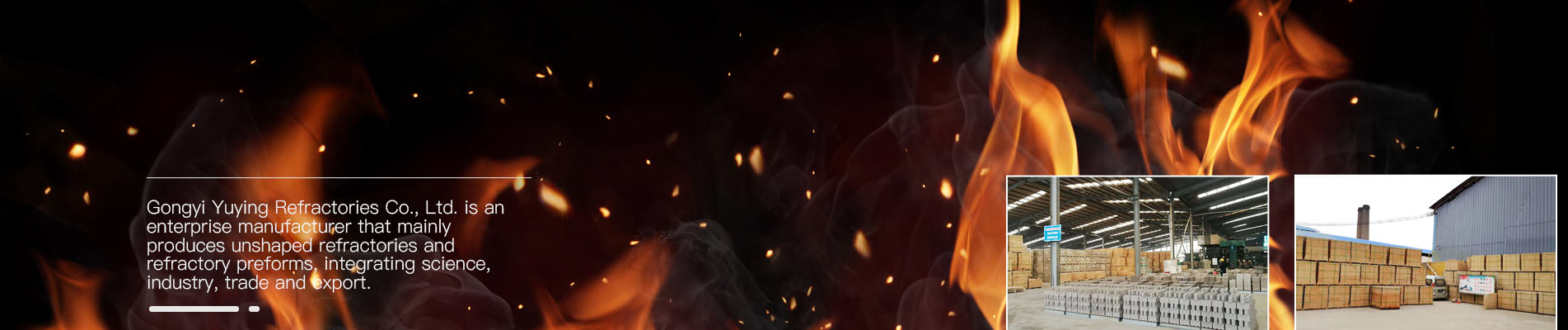
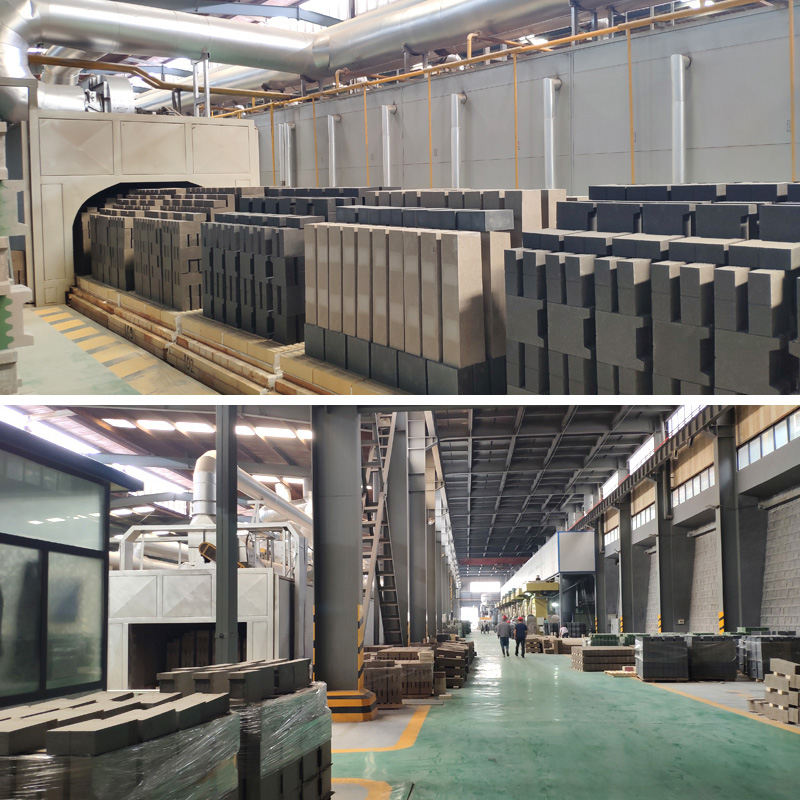
Insulating fire brick manufacturer equipment:
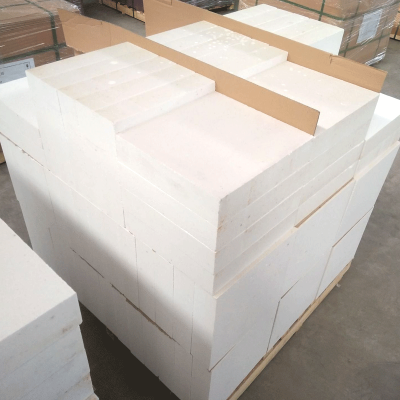
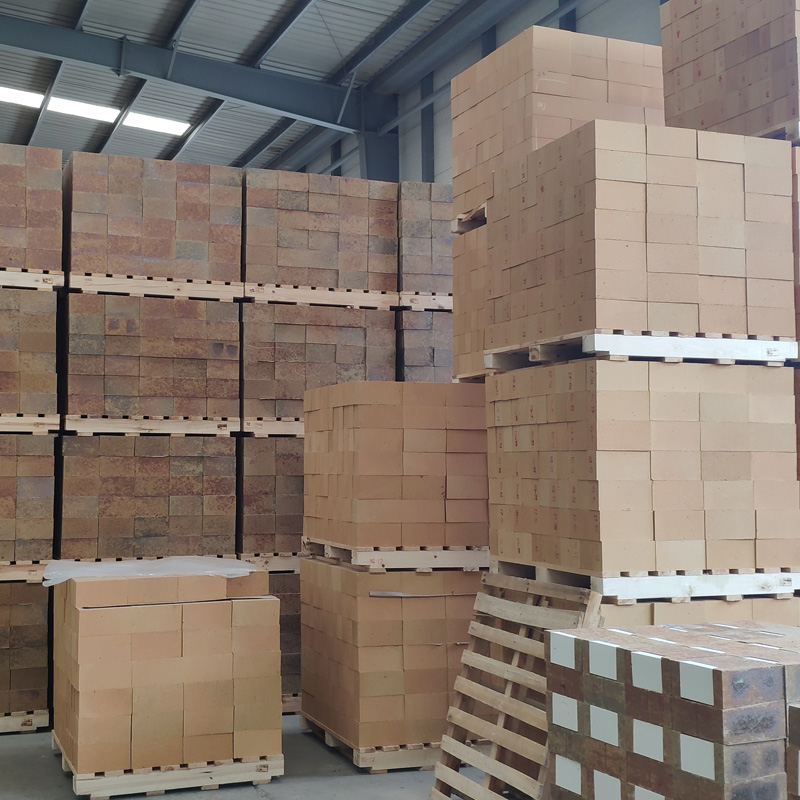
Insulating refractory bricks packaging:
Insulating fire brick manufacturer according to your requirements shipping :
1.20GP FCL :10-16TONS
2.40GP FCL: 20-26TONS
3.40HQ FCL:22 TONS or 26 TONS
The above quantity without pallet ,the goods will be sent within 7-15days after receiving your order.
Gongyi Yuying Refractory Co., Ltd FAQ:
We can provide samples for free and charge shipping.
1. What is your MOQ?
Our product MOQ is 10 kg.
2. What kind of software package will we use?
25 kg plastic bags can also be customized.
3. What is the delivery time?
1*20 GP container takeS about 3 to 5 days.
4. Can you give me a discount?
Yes, we can negotiate
5. Can you give me advice based on the information we describe?
Of course, our mission is to provide you with professional services.
6. What is the shipping method?
Shipping, air, express. International train
7. What is the type of your company?
We are a Manufacturing & Trading Combo.
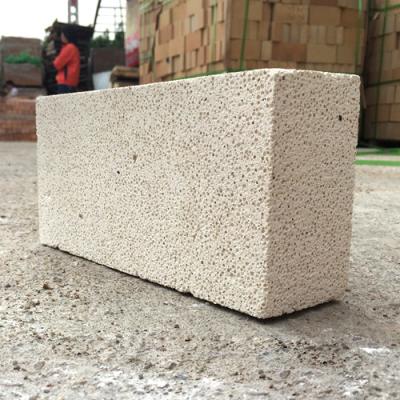
It is widely used in the lining of the kiln working face which is in direct contact with the flame, and has become one of the research hotspots in recent years.
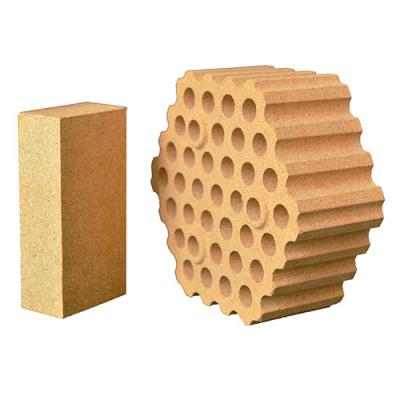
Common low-creep high-alumina bricks can be used in blast furnace hot blast stoves, as well as other industrial kilns, and can also be made into low-creep high-alumina bricks of different sizes according to specific construction requirements, such as lattice bricks, special-shaped bricks, anchor bricks, etc. , mainly used in industrial kilns in long-term high temperature environments
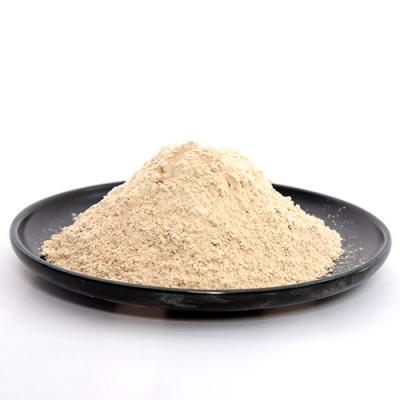
Acid resistant refractory gunning material is used for spraying of blast furnaces, hot blast stoves, hot blast pipes, flue protection layers, working layers, etc.
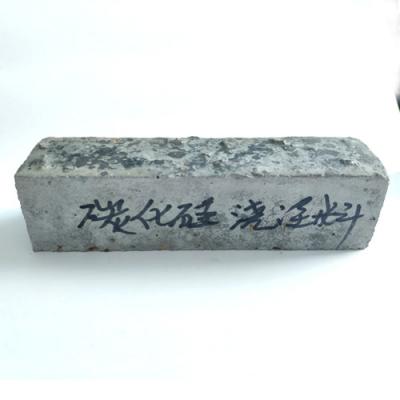
Silicon carbide castables mainly use 98 silicon carbide as the main raw material, add water reducing agent and micropowder, and use pure calcium aluminate cement as binder to make amorphous refractory materials. Cupola and other high temperature materials to be recorded.
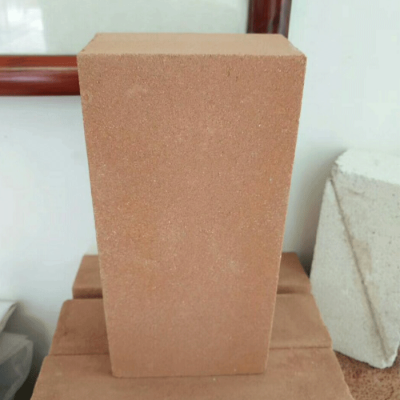
Special Acid-proof Brick Lightweight acid-proof Brick Acid resistant brick is the ideal choose for your project with their features of proof pressure, corrosion resistance, easy to clean and acid-base resistance.
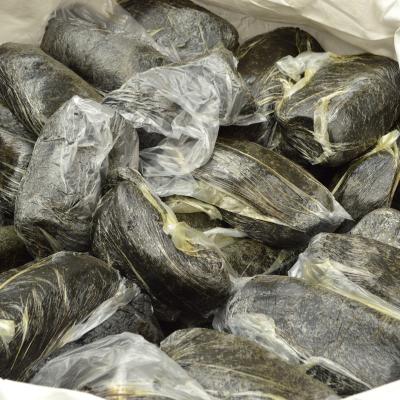
Refractory wet mud used to block the iron outlet can be divided into two categories: water cannon mud and waterless gun mud. On large and medium -sized blast furnaces on high top pressure and high degree of smelting.
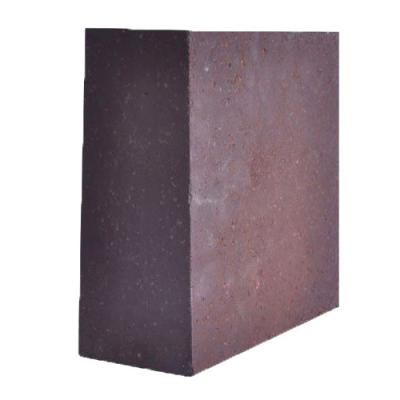
Magnesia chrome bricks are refractory products with magnesia (MgO) and chromium trioxide (Cr2O3) as the main components, and periclase and spinel as the main mineral components. The main raw materials for the manufacture of magnesia-chrome bricks are sintered magnesia and chromite.
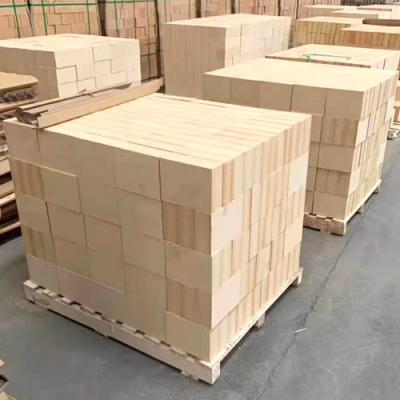
low porosity clay bricks are mainly used in the regenerators of glass kilns. They can also be used in blast furnaces and hot blast furnaces in the steel industry; cement kilns in the building materials industry; chemical kilns in the chemical industry as kiln linings


 IPv6 network supported

 español
 العربية